Gear · analysis
ASICS GEL-KAYANO 33: A Softer Stability Reset
The Kayano 33 replaces rigid correction with adaptive support. Here is who benefits, who should hesitate, and what the specs do not prove.
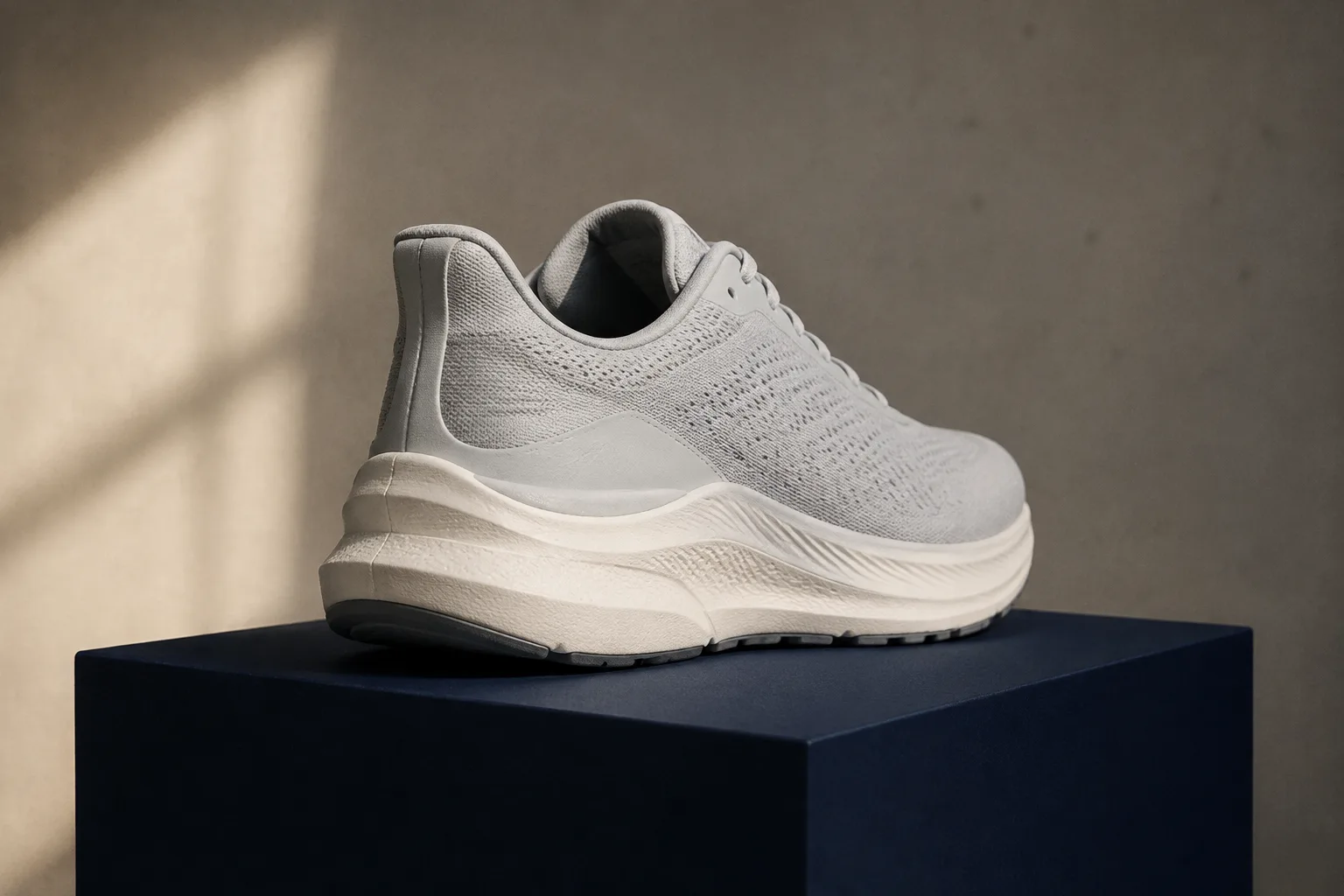
Evidence note: This is a data-based buying analysis, not a hands-on review. It uses official specifications, brand disclosures, and clearly labeled external wear-test observations.
The GEL-KAYANO 33 is less interesting as another annual update than as a change in stability philosophy. ASICS describes its new FLUIDSUPPORT system as adaptive guidance through the stride rather than a rigid attempt to force one “correct” motion.
That is a better framing. A stability shoe can change comfort and motion, but it cannot diagnose pronation or guarantee injury prevention.
The verified specification
ASICS lists the men’s model at 10.5 oz (298 g), with an 8 mm drop, maximum cushioning, and a $170 US launch price. The midsole combines FF BLAST PLUS and FF BLAST MAX foams. The official product page classifies support as both neutral and stability, reflecting the broader intended audience.
At 10.5 oz, this is not a lightweight trainer. The buying case depends on comfort, stable transitions, and late-run predictability rather than speed.
What changed
The older stability-shoe formula used obvious medial posts or hard geometry to resist inward motion. ASICS’ current direction distributes guidance through platform shape and differentiated foam behavior. FLUIDSUPPORT is the newest version of that approach.
The softer top sensation may make the Kayano feel closer to a premium neutral cruiser, while the base and support elements aim to keep the ride organized as load shifts through the stride.
Brand descriptions cannot tell us whether that balance works for your mechanics. They can tell us the design intent.
Best use case
Consider the Kayano 33 if you want:
- a high-comfort shoe for easy and long runs;
- guidance without an aggressively firm medial post;
- an 8 mm drop rather than a low-drop platform;
- a broad, planted feel when fatigue arrives;
- one durable-feeling daily option rather than a fast rotation piece.
The strongest use is relaxed mileage and long aerobic running. It may also work for heavier runners who value a substantial platform, but body weight alone does not determine shoe choice.
Reasons to hesitate
Look elsewhere if you prefer a light, flexible, ground-connected trainer; expect one shoe to cover fast intervals; or already run comfortably in neutral shoes and dislike structured platforms.
At $170, it also competes with premium cushioned models. Try it beside the GEL-NIMBUS rather than assuming “stability” automatically makes it safer.
Buying decision
Buy at full price when the fit is excellent, your daily runs prioritize comfort and guidance, and you want the new system now.
Wait for a discount when the Kayano 32 already works or when weight matters more than the support redesign.
Skip when you need an uptempo trainer. The Ghost AMP analysis covers a lighter 6 mm option designed for quicker daily running.
No online analysis replaces trying the shoe with your normal socks and comparing both feet late in the day.
Sources
- GEL-KAYANO 33 official US product page, ASICS.
- ASICS GEL-KAYANO 33 launch announcement, May 2026.