Gear · analysis
Nike Pegasus 42: Better Connected, Still Deliberately Ordinary
The full-length Air Zoom update improves continuity, but the Pegasus 42 remains a grounded workhorse rather than a modern super trainer.
Evidence note: This is a data-based buying analysis, not a hands-on review. Official specifications are separated from independent laboratory and wear-test findings.
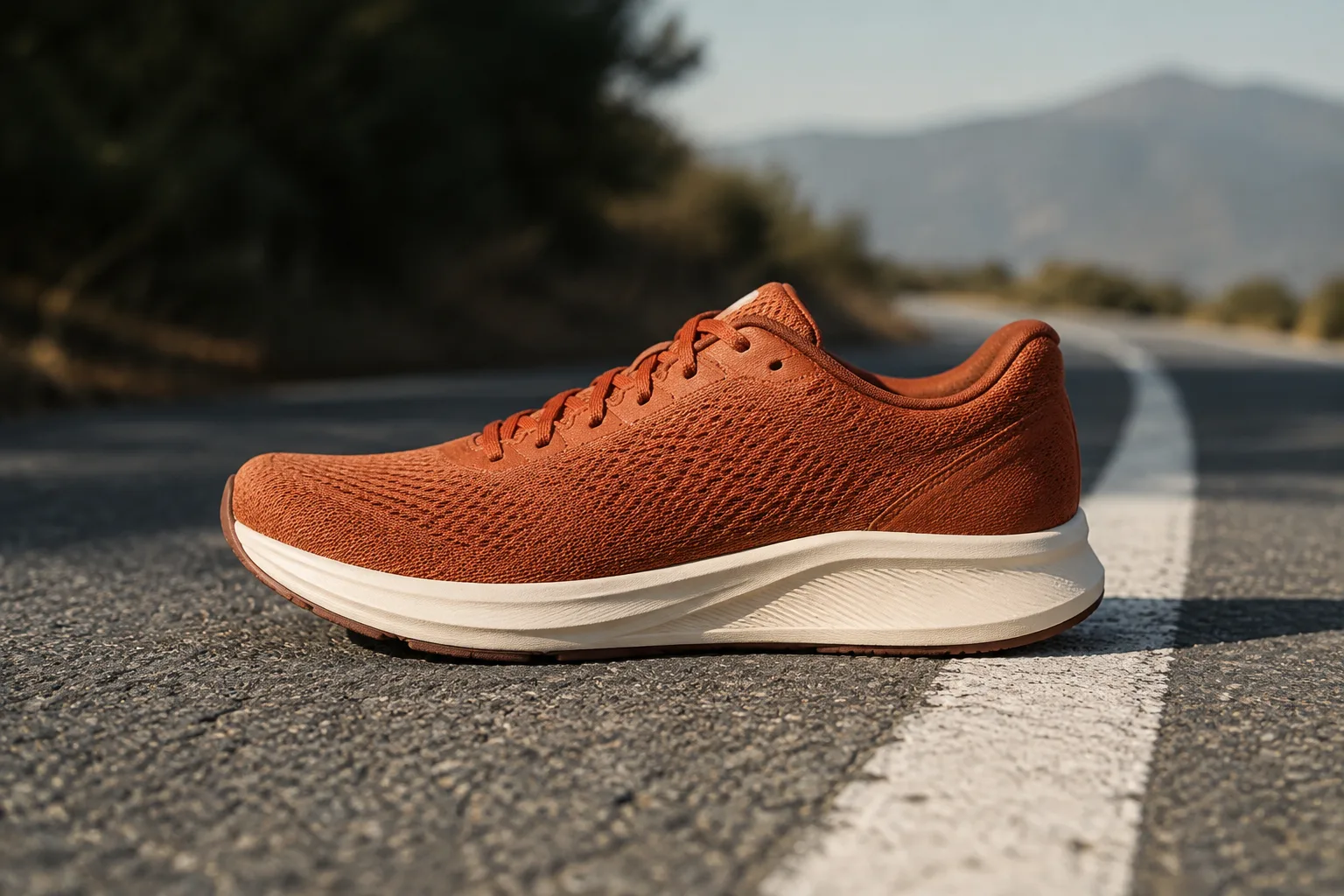
The Pegasus 42 receives a meaningful internal change without abandoning its workhorse identity. Nike replaces the separate heel and forefoot Air Zoom units with one full-length unit and adds ReactX foam under the forefoot.
The result is intended to feel more connected through the stride. It is not intended to turn the Pegasus into a super trainer.
Verified numbers
Nike lists a 10 mm heel-to-toe drop and a US price of $145. Independent RTINGS laboratory measurements on its sample reported 9.97 oz (282.6 g), a 37.4 mm heel, 26.7 mm forefoot, and a measured 10.7 mm drop. Sample size and test method matter, so lab numbers should not be treated as universal manufacturing specifications.
The shoe uses ReactX foam with no plate. The full-length Air Zoom unit is the main mechanical update.
What the change should improve
Separate Air pods could reward a particular landing location. A full-length unit creates a more continuous platform and may make the transition less dependent on where the foot contacts.
Nike also added forefoot material while retaining the familiar drop. That addresses a common complaint about forefoot protection without moving the Pegasus into maximum-stack territory.
RTINGS’ testing still characterizes energy return and responsiveness as modest. That supports the broader interpretation: dependable, stable, and straightforward rather than lively.
Best use case
Choose the Pegasus 42 if you value:
- a grounded daily ride;
- a traditional 10 mm drop;
- broad availability and wide sizing;
- rubber coverage for routine mileage;
- one shoe for easy runs, walking, and occasional steady work.
It is especially logical for runners who already like the Pegasus formula and want continuity more than novelty.
Reasons to look elsewhere
At roughly 10 oz in the RTINGS sample, the Pegasus is heavy relative to some trainers with similar stack. Runners who want a soft long-run cruiser have more cushioned choices. Runners who want one shoe for fast workouts may prefer a lighter, more responsive platform such as the Ghost AMP.
The high drop can feel familiar to some runners and abrupt to others. No drop number is universally protective.
Buy now or wait
At $145, the Pegasus 42 sits below many premium trainers. It is a rational full-price purchase when fit is reliable and you need a daily shoe now.
The Pegasus line is also frequently discounted. Value-focused buyers can wait, especially when the Pegasus 41 already feels comfortable. The new full-length Air unit is meaningful, but it does not erase the family resemblance.
The strongest buying reason is not excitement. It is knowing exactly what kind of ordinary you want.
Sources
- Pegasus 42 official US product page, Nike.
- Nike Pegasus 42 launch announcement, Nike, 2026.
- Nike Pegasus 42 laboratory review, RTINGS, updated August 2026.