Gear · analysis
Brooks Glycerin 23: Specs, Price, and Fit
A source-backed look at the Glycerin 23's U.S. price, weight, drop, cushioning and fit questions before you choose an everyday road shoe.
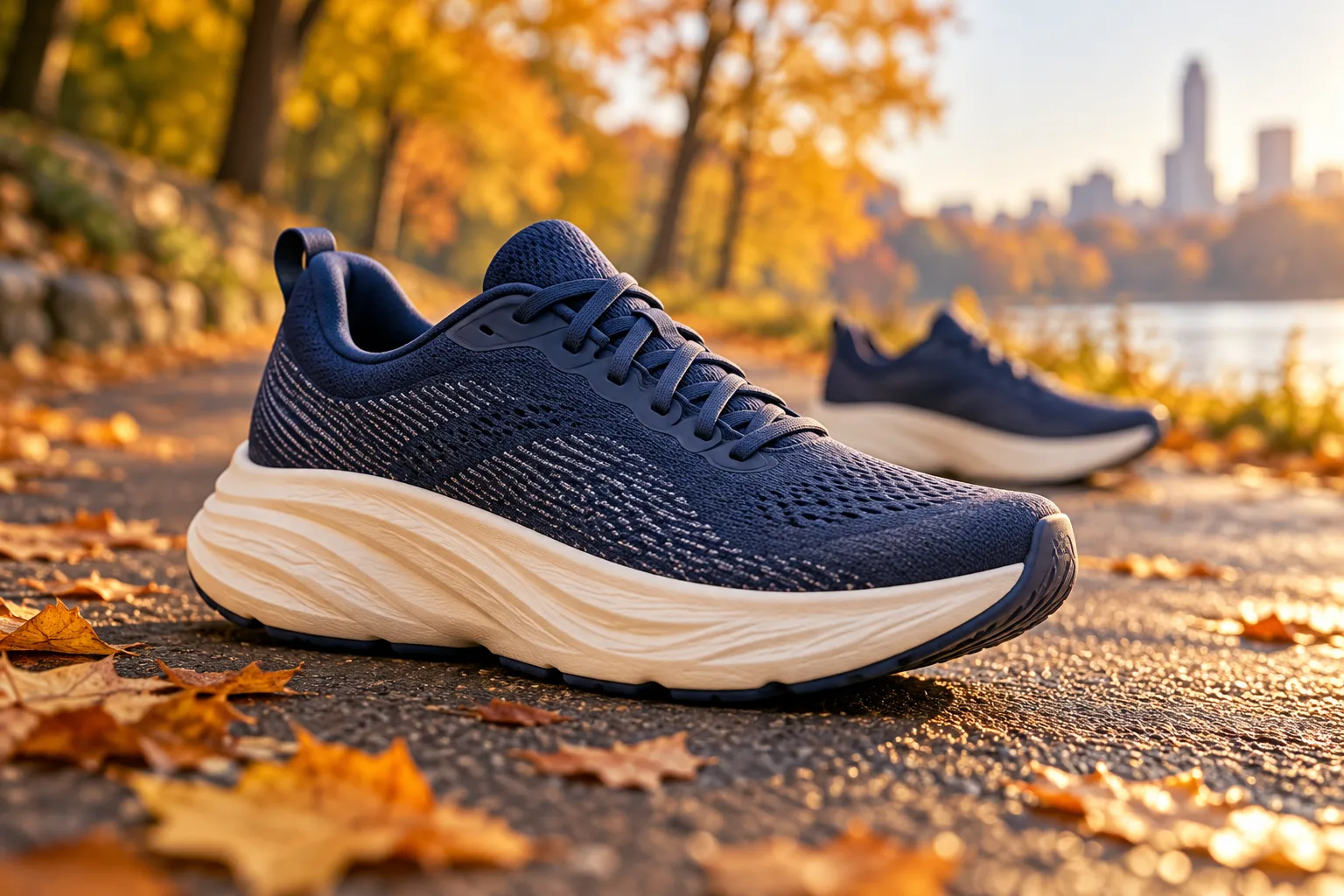
The Brooks Glycerin 23 asks a straightforward question: do you want a plush, substantial shoe for ordinary miles enough to pay $175 for it? Brooks lists the men’s model at 10.6 oz (300.5 g) with an 8 mm drop and describes road running, everyday runs and long runs as its intended uses. Those are manufacturer specifications, not a promise that it will feel soft, stable or fast on your feet.
This is a specification and buying analysis, not a hands-on review. We have not run in the shoe or measured its cushioning, traction, fit or durability. The cover is an unbranded illustration, not a photograph of the Brooks product.
What changed, and what the numbers can tell you
Brooks says it added 2 mm of DNA TUNED cushioning in the forefoot and uses a wide platform with different cushioning zones at the heel and forefoot. Its U.S. product page describes an engineered knit upper and calls the ride smooth and stable. Those last two descriptions are Brooks’ design claims; we cannot verify the sensation from a specification sheet.
The 10.6 oz weight is useful when comparing listed men’s models, but it is a poor shortcut for judging a long run. A shoe can feel awkward or natural depending on its fit and how you move. Likewise, an 8 mm heel-to-toe drop describes geometry, not a medical benefit or a guaranteed solution for calf, Achilles or knee symptoms. If you are changing from a very different shoe, introduce it through shorter easy runs and pay attention to any new discomfort. That gradual trial is editorial advice, not a tested Glycerin-specific protocol.
The practical case for the Glycerin 23 is its stated role: a cushioned road shoe for repeatable easy and longer sessions. If your week also includes fast intervals, the guide to choosing a separate speed trainer explains why one shoe does not have to cover every pace. No product specification here proves that the Glycerin 23 is slow at a particular min/mile pace.
Which Glycerin are you paying for?
On Brooks’ U.S. comparison table, the standard Glycerin 23 is $175, while the Glycerin Flex is $170 and the Glycerin Max 2 is listed at $200 before color- or size-specific promotions. The same table puts the men’s Flex at 9.1 oz with a 6 mm drop and the Max 2 at 11.3 oz with a 6 mm drop. Brooks positions Flex for running and gym workouts and Max 2 for extra-cushioned everyday, long and recovery runs. These are distinct designs, not a simple good-better-best ranking.
Those are U.S. list prices checked on October 12, 2026; the price and stock for a particular size or color can change. The original Chinese article’s yuan price and local retailer impressions do not answer the U.S. buying question. If you are comparing the standard model with the GTS version, Brooks describes the GTS 23 as adding GuideRails support. That is a design distinction, not evidence that every runner who pronates needs the GTS or that it prevents injury.
A useful store test
Try the Glycerin 23 at the time of day and with the socks you normally run in. Walk, jog if the store permits it, and check that your heel stays seated without crushing the midfoot, your toes have room as you roll forward, and no seam or upper pressure grows obvious. Compare the same short movement in a shoe you already know. Fit is individual; an online width label or review score cannot settle it for you.
If you mainly want a dedicated easy-day shoe and its fit works, the Glycerin 23’s official design brief makes sense. If you want a lighter, more flexible shoe for mixed running and gym use, compare the Flex. If you want the tallest cushioning and a rocker-led transition, compare the Max 2. Our broader daily-shoe discussion gives another reference point, but no spec table replaces a personal fit check.
Do not buy cushioning as an injury guarantee. If running pain is persistent, worsening or changes your stride, stop the run and seek an appropriate clinical assessment; see our medical disclaimer. A shoe can be part of a comfortable setup without treating the reason a tissue hurts.
Sources
- Brooks Running, men’s Glycerin 23 U.S. product page: listed price, weight, drop, construction and intended uses, checked October 12, 2026.
- Brooks Running, Glycerin comparison: manufacturer positioning of Glycerin 23, Flex and Max 2, checked October 12, 2026.
- Brooks Running, men’s running shoes in widths: Glycerin GTS 23 GuideRails and U.S. listing, checked October 12, 2026.