Gear · analysis
Nike Vomero Plus: Cushioning, Specs, and Fit
Nike's Vomero Plus is a tall ZoomX daily trainer. Compare its verified US specs, price, and use case without assuming more foam prevents injury.
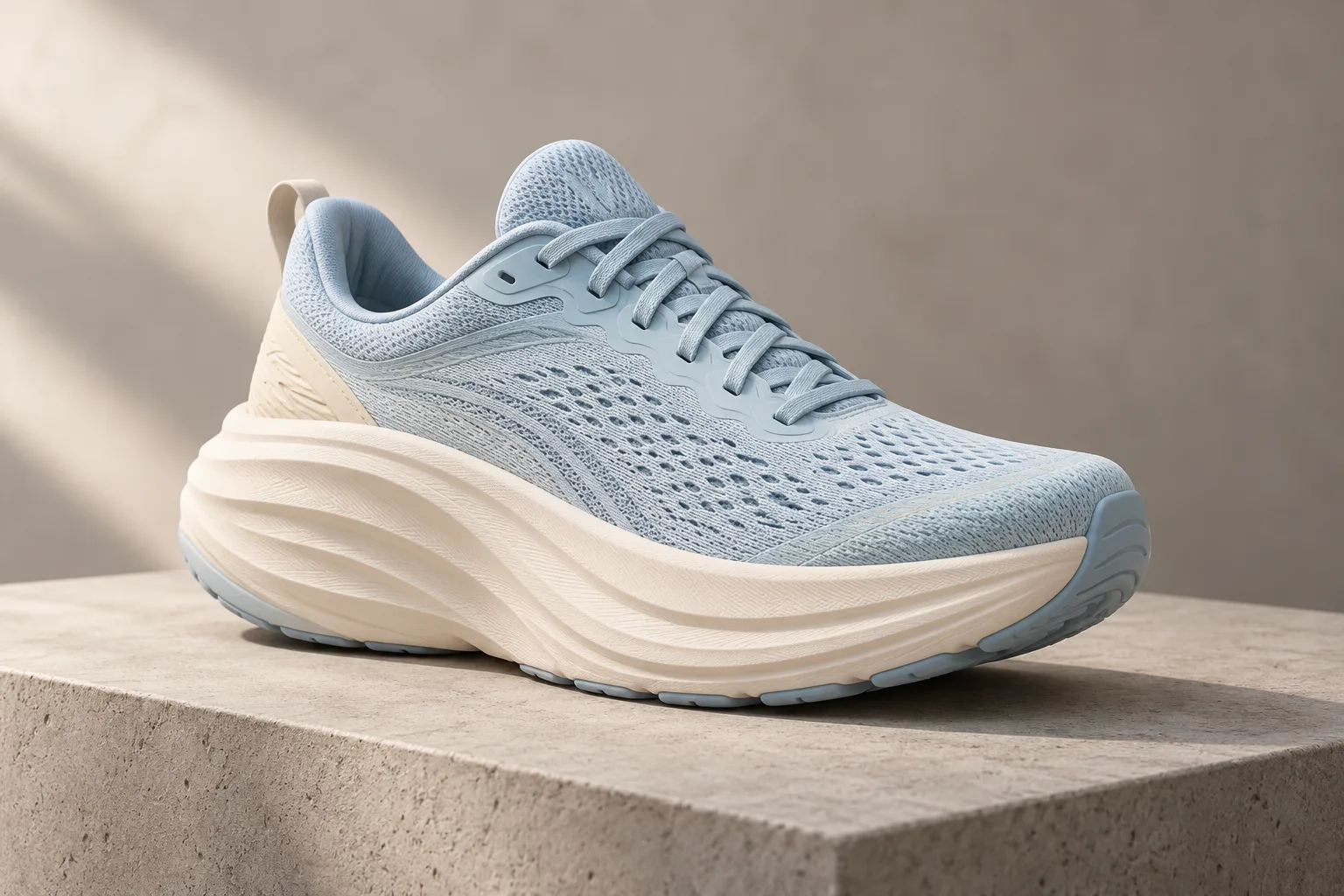
Evidence note: This is a specification-based buying analysis, not a hands-on review. We have not run in or independently measured the Vomero Plus. The cover depicts a generic concept shoe, not a product photograph.
The Vomero Plus makes a simple proposition: a full-length ZoomX midsole and a lot of it. Nike calls it a maximum-cushion road shoe for everyday miles. That makes more sense as a comfort and ride preference than as a promise that your knees will be safer.
What Nike actually specifies
Nike’s US product page lists a 10 mm drop and an approximate 10.3 oz (292 g) weight for a men’s US 10. It describes an engineered-mesh upper, full-length ZoomX foam, and a high-abrasion rubber outsole. Nike’s launch announcement gives the heel stack as 45 mm. Those are manufacturer figures, not measurements of our own sample.
The cited US colorway was listed at $180 on September 30, 2026. Other colorways and promotions can differ, so check the exact size and color at purchase. The Plus has no Air Zoom units in Nike’s published construction. The Vomero Premium adds Air Zoom units at the heel and forefoot and was listed at $230 in the cited US colorway on the same date. That $50 gap is a comparison of these two listings, not a stable price across every version.
What the tall midsole does and does not tell you
Forty-five millimeters tells you the shoe puts substantial material under the heel. It does not tell you how soft it will feel to you, how stable it will feel through a corner, or whether it lowers your injury risk. Foam geometry, your stride, fit, pace, and the surface all affect the experience. Nike’s energy-return language describes its material and design intent; it is not an independently measured improvement in your running economy.
The vault article behind this analysis recommended the shoe for runners above a fixed body-weight threshold and for people with sore knees. We cannot support either prescription from the product specifications. A Cochrane review of running shoes and injury prevention found much of the comparative evidence to be low or very low certainty. That does not mean cushioning has no effect. It means one tall shoe cannot be advertised as a treatment or an injury-prevention guarantee.
If pain is changing your stride, stop the run and address the symptom. Buying a softer shoe is not a substitute for care. Our front-of-knee pain guide explains when to reduce running and seek an assessment.
Who should consider it
The Plus is a reasonable try-on candidate if your easy and long runs feel better in a soft, high-stack shoe and you want a dedicated road trainer. Its listed weight and 10 mm drop may appeal less if you prefer a lower, more flexible, or lighter ride. Those are buying judgments from the specs, not wear-test findings.
Try both shoes on with your usual running socks. Walk, then jog if the retailer allows it. Check toe room, heel hold, and whether the platform feels predictable when you turn. If a Pegasus-style daily trainer already feels good, extra stack is a preference to test, not an upgrade you owe yourself.
Choose the Premium only if you specifically prefer its different Air Zoom construction after trying it. More hardware and a higher price do not establish a better shoe for your miles. The useful purchase is the one that fits, feels comfortable at your ordinary pace, and leaves room in the budget for the rest of training.
Sources
- Nike Vomero Plus men’s US product page, style IM8336-100. Manufacturer specifications and cited colorway price, checked September 30, 2026.
- Nike Vomero Plus and Premium launch announcement. Manufacturer’s 45 mm heel-stack figure and construction descriptions.
- Nike Vomero Premium men’s US product page, style HQ2050-702. Manufacturer construction and cited colorway price, checked September 30, 2026.
- Running shoes for preventing lower limb running injuries in adults, Cochrane review, 2022. Evidence limits for injury-prevention claims; it did not test the Vomero Plus.